We Use CookiesWe use cookies to enhance the security, performance, functionality and for analytical and promotional activities. By continuing to browse this site you are agreeing to our privacy policy

10 Best Studio Monitor Headphones For Mixing 2026 in the United States

How do we rank products for you?

Our technology thoroughly searches through the online shopping world, reviewing hundreds of sites. We then process and analyze this information, updating in real-time to bring you the latest top-rated products. This way, you always get the best and most current options available.

headphones-stars

Our Top Picks

#1

Winner

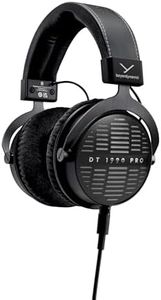
beyerdynamic DT 990 PRO Over-Ear Studio Monitor Headphones - Open-Back Stereo Construction, Wired (80 Ohm, Grey)

Rating
10.0
Chosen by1,181
Frequency Response
Impedance
Closed-Back vs. Open-Back

Most important from
3490 reviews

Frequency Response
The headphones produce the most open, deep, detailed, crystal-clear sound, excelling across all music genres.
Impedance
Despite the high impedance, these headphones can be driven by most PCs and receivers, though an amp is recommended for optimal performance.
Closed-Back vs. Open-Back
The open-back design is great for an airy sound experience but does allow sound leakage, making them best suited for quiet environments.
Comfort and Build Quality
The build quality feels incredibly solid, with users trusting these headphones to last for many years.

The beyerdynamic DT 990 PRO is a solid choice for professional mixing, mastering, and critical listening. With an impressive frequency response range of 5 - 35,000 Hz, these headphones cover a broad spectrum that is ideal for detailed audio work. The 80 Ohm impedance strikes a good balance between driving power and compatibility with a range of studio equipment, though it may require a headphone amp for optimal performance with certain devices.

Featuring dynamic drivers, the DT 990 PRO delivers clear and transparent sound, with strong bass and treble, making it excellent for pinpointing nuances in your mix. The open-back design enhances the spaciousness of the audio but can let in environmental noise, which might be a drawback if you need isolation in a noisy environment. Comfort is a key strength, thanks to their soft, replaceable velour ear pads and the robust, durable build quality, ensuring long sessions without discomfort.

However, the open-back nature means these are not suitable for tracking in noisy spaces or for situations requiring sound isolation. These headphones are versatile, being suitable for gaming and general listening, but their primary strength lies in studio applications.

Rating
10.0
Chosen by1,181
Frequency Response
Impedance
Closed-Back vs. Open-Back

Most important from
3490 reviews

Frequency Response
The headphones produce the most open, deep, detailed, crystal-clear sound, excelling across all music genres.
Impedance
Despite the high impedance, these headphones can be driven by most PCs and receivers, though an amp is recommended for optimal performance.
Closed-Back vs. Open-Back
The open-back design is great for an airy sound experience but does allow sound leakage, making them best suited for quiet environments.
Comfort and Build Quality
The build quality feels incredibly solid, with users trusting these headphones to last for many years.
#2

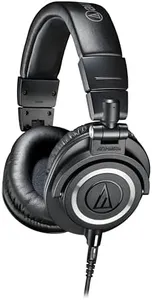
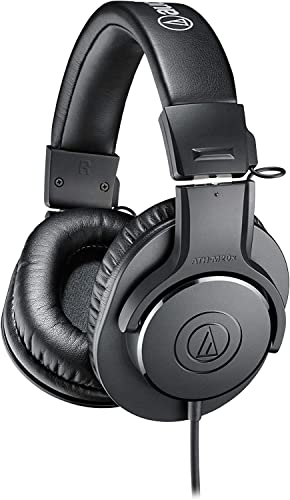
Audio-Technica ATH-M50X Professional Studio Monitor Headphones, Black, Professional Grade, Critically Acclaimed, with Detachable Cable

Rating
9.4
Frequency Response
Closed-Back vs. Open-Back
Comfort and Build Quality

Most important from
33555 reviews

Frequency Response
The bass is powerful enough to vibrate the headphones, and the clarity allows hearing subtle sounds like cymbals and hi-hats.
Closed-Back vs. Open-Back
The circumaural design provides excellent noise isolation, making them ideal for noisy environments.
Comfort and Build Quality
Despite frequent drops and mishaps, their durability is impressive with no damage or performance issues.

The Audio-Technica ATH-M50x headphones are a popular choice for anyone involved in studio mixing, thanks to their impressive performance and comfort features. Their 45mm large aperture drivers deliver a clear and detailed sound, making them ideal for critical listening and mixing tasks. The headphones excel in frequency response, providing deep bass and an extended range that many audio professionals appreciate. The circumaural design ensures that they fit snugly around your ears, effectively isolating sound in noisy environments, which is a big plus for mixing sessions.

Comfort-wise, the ATH-M50x boasts professional-grade earpads and a sturdy headband that enhance durability and comfort during long mixing sessions. The 90-degree swiveling earcups are also a handy feature, allowing easy one-ear monitoring—a common requirement for studio work.

While the headphones are mainly designed for studio use, their closed-back design might not be ideal for everyone. Some users might prefer open-back headphones for a more natural soundstage, especially when mixing genres that benefit from this. Additionally, while the impedance of 38 Ohm is suitable for studio gear, it may not perform as well with lower-end devices, such as smartphones, which could lead to less optimal sound quality.

Rating
9.4
Frequency Response
Closed-Back vs. Open-Back
Comfort and Build Quality

Most important from
33555 reviews

Frequency Response
The bass is powerful enough to vibrate the headphones, and the clarity allows hearing subtle sounds like cymbals and hi-hats.
Closed-Back vs. Open-Back
The circumaural design provides excellent noise isolation, making them ideal for noisy environments.
Comfort and Build Quality
Despite frequent drops and mishaps, their durability is impressive with no damage or performance issues.
#3

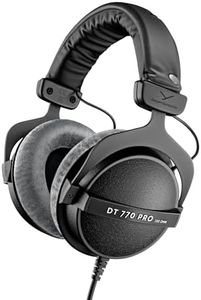
beyerdynamic DT 770 PRO 250 Ohm Over-Ear Headphones in Gray. Enclosed Design, Use Ideal for Studio Mixing

Rating
9.4
Impedance
Closed-Back vs. Open-Back
Comfort and Build Quality

Most important from
9436 reviews

Impedance
The 250 Ohm version excels when paired with high-impedance audio outputs, delivering superior audio fidelity compared to lower impedance versions.
Closed-Back vs. Open-Back
The closed-back design effectively isolates sound, making these headphones ideal for environments where external noise can be a distraction.
Comfort and Build Quality
These headphones are incredibly comfortable for long sessions, thanks to the soft velour ear pads that fit snugly without causing discomfort.

The beyerdynamic DT 770 PRO 250 Ohm headphones are solid options for anyone serious about mixing in a studio setting. Their closed-back design helps isolate sound effectively, making them ideal for professional recording environments where external noise can be a distraction. With a frequency response that delivers pure and high-resolution sound, these headphones are excellent for ensuring that every detail in the mix is heard accurately. The 250 Ohm impedance means they perform best with dedicated audio interfaces or headphone amplifiers, which can be a consideration for those with less powerful devices.

Comfort is a highlight, thanks to the soft velour ear pads, which are not only replaceable but also provide a snug fit for long mixing sessions. The durable build quality gives confidence for daily studio use, and being Made in Germany adds a layer of trust in craftsmanship. The practical 3.0m coiled cable allows for movement without getting tangled, which is a nice touch in a studio environment.

The high impedance may not be suitable for casual listeners or those using portable devices without an amplifier, as the sound could lack fullness when not adequately powered. While they excel in sound isolation, they may not be the best choice if you need to be aware of your surroundings while working. Additionally, the closed-back design might not provide the same spacious soundstage that some open-back headphones offer, which could be a consideration for those who prefer a more immersive listening experience.

Rating
9.4
Impedance
Closed-Back vs. Open-Back
Comfort and Build Quality

Most important from
9436 reviews

Impedance
The 250 Ohm version excels when paired with high-impedance audio outputs, delivering superior audio fidelity compared to lower impedance versions.
Closed-Back vs. Open-Back
The closed-back design effectively isolates sound, making these headphones ideal for environments where external noise can be a distraction.
Comfort and Build Quality
These headphones are incredibly comfortable for long sessions, thanks to the soft velour ear pads that fit snugly without causing discomfort.

Buying Guide for the Best Studio Monitor Headphones For Mixing

When choosing studio monitor headphones for mixing, it's important to focus on the specifications that will ensure you get the most accurate and detailed sound reproduction. This will help you make precise adjustments to your mixes and ensure they translate well across different playback systems. Here are the key specs to consider and how to navigate them to find the best fit for your needs.
Frequency ResponseFrequency response refers to the range of frequencies that the headphones can reproduce, typically measured in Hertz (Hz). This spec is crucial because it determines how accurately the headphones can reproduce the lows, mids, and highs of your audio. A wider frequency response range (e.g., 20 Hz to 20 kHz) is generally better as it covers the full spectrum of human hearing. For mixing, you want headphones that can accurately reproduce both the deep bass and the high treble frequencies, so look for a range that covers at least 20 Hz to 20 kHz.
ImpedanceImpedance, measured in ohms (Ω), indicates how much power the headphones need to deliver sound at a certain volume. This is important because it affects the compatibility with your audio equipment. Low impedance headphones (under 50 ohms) are suitable for use with portable devices like smartphones and laptops, while high impedance headphones (over 50 ohms) are better suited for professional studio equipment with dedicated headphone amplifiers. For mixing, if you are using professional audio interfaces or amplifiers, higher impedance headphones can provide better sound quality and detail.
Driver SizeDriver size, measured in millimeters (mm), refers to the diameter of the headphone's speaker driver. Larger drivers (e.g., 40mm to 50mm) can produce more powerful and detailed sound, especially in the bass frequencies. This is important for mixing as it helps you hear the full depth and detail of your audio. However, larger drivers can also make the headphones bulkier. Choose a driver size that balances comfort and sound quality, typically around 40mm to 50mm for studio monitor headphones.
Closed-Back vs. Open-BackClosed-back headphones have ear cups that are sealed, which helps to isolate sound and prevent audio leakage. This is important for mixing in noisy environments or when you need to focus on the details without external distractions. Open-back headphones, on the other hand, have ear cups that allow air and sound to pass through, providing a more natural and spacious sound. This can be beneficial for mixing as it gives a more accurate representation of how the mix will sound on speakers. Choose closed-back headphones for better isolation and open-back headphones for a more natural soundstage.
Comfort and Build QualityComfort and build quality are essential for long mixing sessions. Look for headphones with adjustable headbands, cushioned ear pads, and lightweight designs to ensure they remain comfortable over extended periods. Durable materials and a sturdy build are also important to withstand regular use. Try to find headphones that offer a good balance of comfort and durability, as this will help you stay focused on your mixing without discomfort or the need for frequent replacements.

FAQ