We Use CookiesWe use cookies to enhance the security, performance, functionality and for analytical and promotional activities. By continuing to browse this site you are agreeing to our privacy policy

10 Best Cameras For Videography 2026 in the United States
How do we rank products for you?

Our technology thoroughly searches through the online shopping world, reviewing hundreds of sites. We then process and analyze this information, updating in real-time to bring you the latest top-rated products. This way, you always get the best and most current options available.

headphones-stars

Our Top Picks

#1

Winner

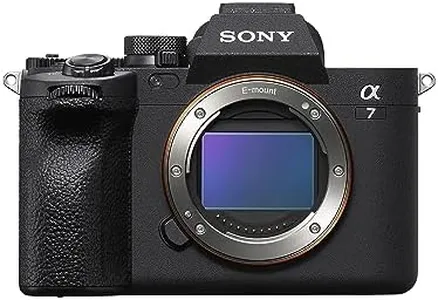
Sony Alpha 7 IV Full-frame Mirrorless Interchangeable Lens Camera

Rating
10.0
Chosen by1,382
Resolution
Frame Rate
Autofocus

Most important from
739 reviews

Resolution
Delivers stunning image quality with sharp detail and vibrant color, making both photos and videos look incredible.
Frame Rate
4K video recording at 60fps with 10-bit color depth provides cinema-grade footage straight from the camera.
Autofocus
The autofocus system is remarkably fast and accurate, featuring real-time Eye AF that reliably tracks moving subjects.
Stabilization
Effective 5-axis in-body stabilization ensures smooth handheld video even in dynamic shooting conditions.
Battery Life
Battery life meets expectations for typical shoots, though having spare batteries is advisable for extended video sessions.

The Sony Alpha 7 IV is a powerful full-frame mirrorless camera well-suited for videographers who want high-quality video and photo capabilities. Its 33MP sensor produces sharp, detailed images and its ability to record 4K video at up to 60 frames per second means smooth and vibrant footage. The camera uses an advanced autofocus system with 693 focus points and real-time eye detection, making it easier to keep moving subjects in sharp focus during shoots. It also features effective 5-axis in-body stabilization, which helps reduce shaky footage—important for handheld video work.

Audio-wise, it supports headphone output for monitoring sound, but it requires external microphones for the best recording quality. Battery life should be sufficient for a typical day of shooting, though heavy video use may require extra batteries. Connectivity options include Wi-Fi, Bluetooth, and HDMI, allowing easy file transfer and external device connections.

On the downside, while the camera handles heat well within normal operating temperatures, long continuous video recording might be limited by its 60-minute clip limit. The 3-inch tilting LCD screen is helpful but not fully articulating, which could slightly limit angles when filming yourself. The camera is a bit heavier than some mirrorless models, which might affect handheld comfort over time. This camera is ideal for serious videographers and professionals who want versatile, high-quality video and photo performance in a single package. Beginners might find it a bit complex and pricey, but those ready to invest will appreciate its balance of advanced features and image quality.

Rating
10.0
Chosen by1,382
Resolution
Frame Rate
Autofocus

Most important from
739 reviews

Resolution
Delivers stunning image quality with sharp detail and vibrant color, making both photos and videos look incredible.
Frame Rate
4K video recording at 60fps with 10-bit color depth provides cinema-grade footage straight from the camera.
Autofocus
The autofocus system is remarkably fast and accurate, featuring real-time Eye AF that reliably tracks moving subjects.
Stabilization
Effective 5-axis in-body stabilization ensures smooth handheld video even in dynamic shooting conditions.
Battery Life
Battery life meets expectations for typical shoots, though having spare batteries is advisable for extended video sessions.
#2

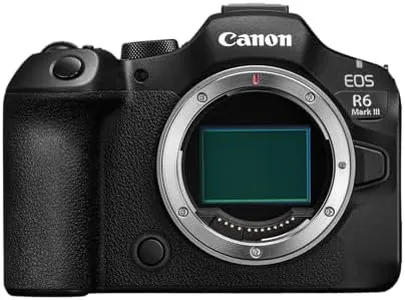
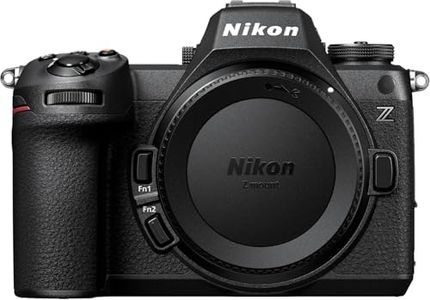
Canon EOS R6 Mark III Body

Rating
9.1
Autofocus
Battery Life

Most important from
55 reviews

Autofocus
The autofocus is incredibly reliable, with eye and face tracking that consistently stays locked on the subject.
Battery Life
Battery life has significantly improved with the new battery type, supporting longer shooting sessions without hassle.

The Canon EOS R6 Mark III is a strong contender for videographers who want a versatile, high-performance mirrorless camera. It features a full-frame 32.5MP sensor that captures detailed video up to 4K resolution (4320p), delivering sharp and vibrant footage. Shooting at up to 40 frames per second allows for smooth action shots, which is excellent for dynamic scenes. The camera’s autofocus includes 393 phase-detection points and advanced tracking that can recognize people, animals, and vehicles—helpful for keeping your subject in focus automatically.

Stabilization is a major plus here, thanks to an in-body system that offers up to 8.5 stops of shake correction, making handheld shooting much steadier and reducing the need for extra gear like gimbals. While it excels in image quality and stabilization, the camera does not emphasize specific audio inputs or advanced audio controls, so additional accessories may be necessary for professional sound recording. Battery life is decent, and the camera is relatively lightweight at about 1.54 pounds, benefiting long shooting sessions or vlogging on the go. Connectivity options include Wi-Fi and Bluetooth, allowing easy transfer of files and remote control via smartphones. Dual card slots provide flexibility and security when recording long videos.

One limitation is the lack of a built-in flash, which might restrict some creative lighting options but is not critical for video work. For videographers seeking high resolution, fast frame rates, strong autofocus, and excellent image stabilization in a compact body, this camera fits well; however, those prioritizing advanced audio capabilities should consider supplementary equipment.

Rating
9.1
Autofocus
Battery Life

Most important from
55 reviews

Autofocus
The autofocus is incredibly reliable, with eye and face tracking that consistently stays locked on the subject.
Battery Life
Battery life has significantly improved with the new battery type, supporting longer shooting sessions without hassle.
#3

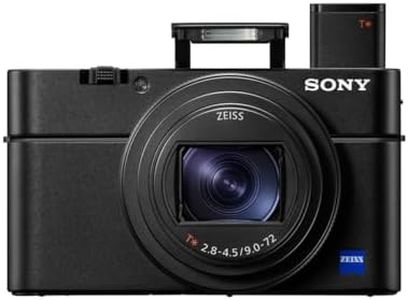
Sony RX100 VII Premium Compact Camera with 1.0-type stacked CMOS sensor (DSCRX100M7)

Rating
8.8
Autofocus
Stabilization
Audio Capabilities

Most important from
576 reviews

Autofocus
The advanced Real-time Tracking and Real-time Eye AF make this camera a standout for videography.
Stabilization
Steady shot works great for filming while walking, providing smooth video without noticeable bobbing.
Audio Capabilities
The 4K recording with audio input and a wide 24mm to 200mm focal range make this camera worth its price tag.

The Sony RX100 VII is a highly capable compact camera that excels in videography thanks to its impressive set of features. With a 20.1MP 1.0-type stacked CMOS sensor, it delivers excellent image quality and supports 4K video recording with a variety of professional-grade options like S-Log3 and Interval Shooting. The camera's fast autofocus system, featuring 357-point phase detection and 425-point contrast detection, ensures that subjects are quickly and accurately focused, which is crucial for high-quality video production.

Additionally, the AI-based real-time tracking and real-time eye AF for both humans and animals (stills only) enhance the filming experience by keeping the subject in sharp focus throughout the recording. The RX100 VII also boasts effective image stabilization for smooth video capture, even in 4K resolution, and includes a microphone jack for improved audio recording capabilities. Its compact size and light weight (275 grams) make it a portable option for videographers on the go.

However, the camera's limited battery life (1240 mAh) might necessitate carrying spare batteries for longer shoots. Connectivity features like Bluetooth and Wi-Fi add convenience for transferring files and remote control. Despite its numerous strengths, the relatively high price point and the lack of built-in ND filters, which are crucial for managing exposure in bright conditions, might be drawbacks for some users. Nevertheless, the Sony RX100 VII is a versatile and powerful tool for videographers seeking a compact yet advanced camera.

Rating
8.8
Autofocus
Stabilization
Audio Capabilities

Most important from
576 reviews

Autofocus
The advanced Real-time Tracking and Real-time Eye AF make this camera a standout for videography.
Stabilization
Steady shot works great for filming while walking, providing smooth video without noticeable bobbing.
Audio Capabilities
The 4K recording with audio input and a wide 24mm to 200mm focal range make this camera worth its price tag.

Buying Guide for the Best Cameras For Videography

Choosing the right camera for videography can be a daunting task, but with the right approach, you can find a model that suits your needs perfectly. The key is to understand the various specifications and how they impact your video production. By focusing on what you need for your specific projects, you can make an informed decision. Here are some key specs to consider when selecting a camera for videography.
ResolutionResolution refers to the number of pixels that make up the video image. Higher resolution means more detail and clarity. Common resolutions include Full HD (1080p), 4K, and even 8K. For most videographers, 4K is a good balance between quality and file size. If you are producing content for high-end platforms or future-proofing your work, 8K might be worth considering. However, for everyday use and online content, 1080p is often sufficient.
Frame RateFrame rate is the number of frames captured per second (fps). Standard frame rates include 24fps, 30fps, and 60fps. 24fps is often used for a cinematic look, 30fps is common for TV and online videos, and 60fps is great for smooth motion and slow-motion effects. Choose a frame rate based on the style and type of content you are creating. For example, if you are filming action scenes or sports, a higher frame rate like 60fps will be beneficial.
Sensor SizeThe sensor size affects the camera's ability to capture light and detail. Larger sensors, such as full-frame or APS-C, generally provide better image quality, especially in low light. Smaller sensors, like Micro Four Thirds, can still produce excellent video but may struggle more in low-light conditions. Consider the type of videography you do; if you often shoot in low light or need a shallow depth of field, a larger sensor is preferable.
AutofocusAutofocus is crucial for keeping your subjects sharp and in focus, especially when they are moving. Look for cameras with reliable and fast autofocus systems. Some cameras offer advanced features like face and eye detection, which can be very helpful for shooting interviews or vlogs. If you frequently shoot dynamic scenes or work solo, a camera with excellent autofocus will make your job much easier.
StabilizationImage stabilization helps reduce camera shake, resulting in smoother footage. There are two main types: optical (in-lens) and in-body stabilization. Some cameras offer both, providing even better stabilization. If you often shoot handheld or in motion, having good stabilization is essential to avoid shaky footage. For static shots or when using a tripod, stabilization is less critical but still beneficial.
Audio CapabilitiesGood audio is just as important as good video. Look for cameras with high-quality built-in microphones and, more importantly, external microphone inputs. This allows you to use professional microphones for better sound quality. Some cameras also offer headphone jacks for monitoring audio levels. If you plan to record interviews, vlogs, or any content where clear audio is crucial, prioritize cameras with robust audio features.
Battery LifeBattery life determines how long you can shoot before needing to recharge or replace the battery. Longer battery life is always better, especially for extended shoots or when you are on the go. Check the estimated battery life provided by the manufacturer and consider carrying spare batteries if you expect to shoot for long periods. If you often shoot in remote locations or during events, having a camera with good battery life is essential.
ConnectivityConnectivity options like Wi-Fi, Bluetooth, and HDMI output can enhance your workflow. Wi-Fi and Bluetooth allow for easy file transfer and remote control via smartphone apps. HDMI output is useful for live streaming or connecting to external monitors. Consider what connectivity features you need based on how you plan to use the camera. For instance, if you do a lot of live streaming, having a reliable HDMI output is crucial.

FAQ