We Use CookiesWe use cookies to enhance the security, performance, functionality and for analytical and promotional activities. By continuing to browse this site you are agreeing to our privacy policy

10 Best Beginner Cameras 2026 in the United States
How do we rank products for you?

Our technology thoroughly searches through the online shopping world, reviewing hundreds of sites. We then process and analyze this information, updating in real-time to bring you the latest top-rated products. This way, you always get the best and most current options available.

headphones-stars

Our Top Picks

#1

Winner

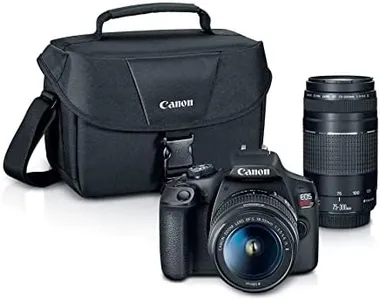
Canon EOS Rebel T7 DSLR Camera|2 Lens Kit with EF18-55mm + EF 75-300mm Lens, Black

Rating
10.0
Chosen by1,160
Ease of Use
Connectivity
Lens Compatibility

Most important from
8458 reviews

Ease of Use
The camera feels solid in hand with intuitive controls, making it simple to learn.
Connectivity
Built-in WiFi makes transferring photos to a phone or computer quick and convenient.
Lens Compatibility
The lens is clear and versatile, supporting a wide range of photography styles.
Megapixels
Despite beginner-friendly controls, the image quality is incredible for a 24-megapixel camera.

The Canon EOS Rebel T7 DSLR is a solid choice for anyone just starting out in photography. It features a 24.1-megapixel APS-C sensor, which means you get sharp and detailed photos suitable for most everyday uses. The kit includes two versatile lenses—a standard 18-55mm for general shooting and a 75-300mm for zooming in on distant subjects—giving beginners flexibility to explore different styles. Autofocus is aided by a 9-point system and enhanced with Canon's Dual Pixel CMOS AF and eye detection, which helps keep subjects sharp in photos and videos, although it’s more basic compared to higher-end models.

The camera’s ease of use is boosted by various automatic shooting modes, making it friendly for newcomers who want quick results without fussing over settings. Video captures in full HD 1080p, suitable for casual recording, but it doesn't support 4K if that’s something you might want down the line. Battery life allows for about 500 shots per charge, which is decent for day trips or daily use. Connectivity options like built-in Wi-Fi and NFC let you easily share your images or use the camera as a high-quality webcam with software.

On the downside, the viewfinder covers around 95% of the scene, so you won’t see the entire frame through it, and the autofocus points are limited compared to more advanced cameras. The camera is somewhat bulky at around 3 pounds, which might feel heavy for younger users or casual shooters. This Canon suits amateur photographers who want a dependable DSLR that offers great image quality and basic video features, combined with user-friendly controls and decent connectivity. It balances performance and simplicity without overwhelming new users.

Rating
10.0
Chosen by1,160
Ease of Use
Connectivity
Lens Compatibility

Most important from
8458 reviews

Ease of Use
The camera feels solid in hand with intuitive controls, making it simple to learn.
Connectivity
Built-in WiFi makes transferring photos to a phone or computer quick and convenient.
Lens Compatibility
The lens is clear and versatile, supporting a wide range of photography styles.
Megapixels
Despite beginner-friendly controls, the image quality is incredible for a 24-megapixel camera.
#2

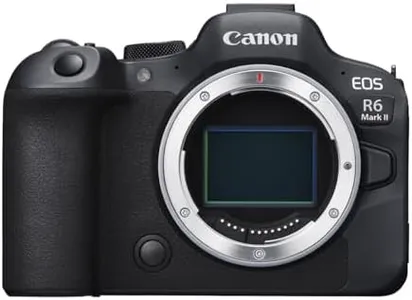
Canon EOS R6 Mark II Mirrorless Camera (Body Only), Full-Frame Camera, 24.2 Megapixel CMOS Sensor, Photo and Video Capabilities, Black

Rating
10.0
Sensor Size
Ease of Use
Autofocus System

Most important from
606 reviews

Sensor Size
The 24.2MP full-frame sensor delivers stunning image quality and impressive low-light performance, making every shot sharp and detailed.
Ease of Use
The fully articulating touchscreen and high-resolution OLED viewfinder enhance usability and make composing shots from unique angles easier and more enjoyable.
Autofocus System
The advanced autofocus system locks onto people, animals, and vehicles with remarkable speed and precision, elevating the quality of every shot.
Video Capabilities
Oversampled 4K 60p video recording from a 6K sensor readout provides exceptional clarity for videographers.

The Canon EOS R6 Mark II is a full-frame mirrorless camera with a 24.2-megapixel sensor that produces sharp and detailed images, even in low light. Its autofocus system is advanced, automatically detecting and tracking faces, eyes, and even animals, which helps beginners get great focus without fuss. The camera is compatible with Canon RF lenses, offering flexibility as you grow your photography skills. It features a bright electronic viewfinder and a fully articulating touchscreen, making it easier to compose shots from different angles.

Video capabilities are strong, with the ability to record high-quality 4K video at up to 60 frames per second and long recording times without overheating, appealing to those interested in making videos. Battery life is decent, allowing extended shooting sessions, and connectivity options include fast USB-C file transfer, plus built-in Wi-Fi and Bluetooth for easy sharing of photos.

While packed with professional features, the camera might be a bit overwhelming for absolute beginners because of its many options and settings. Also, it comes as body only, so you’ll need to buy lenses separately, which can add to the initial cost. This camera suits beginners who are serious about learning photography and want room to grow into more advanced features, but casual users might find it more complex than simpler entry-level models.

Rating
10.0
Sensor Size
Ease of Use
Autofocus System

Most important from
606 reviews

Sensor Size
The 24.2MP full-frame sensor delivers stunning image quality and impressive low-light performance, making every shot sharp and detailed.
Ease of Use
The fully articulating touchscreen and high-resolution OLED viewfinder enhance usability and make composing shots from unique angles easier and more enjoyable.
Autofocus System
The advanced autofocus system locks onto people, animals, and vehicles with remarkable speed and precision, elevating the quality of every shot.
Video Capabilities
Oversampled 4K 60p video recording from a 6K sensor readout provides exceptional clarity for videographers.
#3

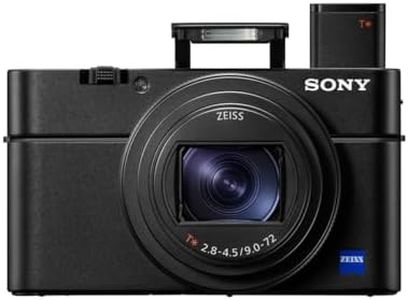
Sony RX100 VII Premium Compact Camera with 1.0-type stacked CMOS sensor (DSCRX100M7)

Rating
10.0
Ease of Use
Autofocus System
Video Capabilities

Most important from
576 reviews

Ease of Use
Despite its compact size, the camera delivers all the features of a larger camera, with awesome sound, picture, and video quality.
Autofocus System
The new advanced Real-time Tracking and Real-time Eye AF are impressive, making it a powerful camera that fits in your pocket.
Video Capabilities
The 'steady shot' feature works great for filming while walking, providing smooth video without noticeable bobbing.

The Sony RX100 VII is a premium compact camera that offers impressive features suitable for those looking to step up their photography game. With a 20.1MP 1.0-type stacked CMOS sensor and a versatile Zeiss Vario Sonnar lens, it captures high-quality images, making it a great choice for beginners who want a bit more control and quality than typical smartphone cameras. Its autofocus system is one of its standout features, featuring 425 points and real-time tracking for both humans and animals, which is excellent for capturing fast-moving subjects like kids or pets.

This camera excels in video capabilities with the ability to shoot 4K, and it provides options for advanced features like log shooting and image stabilization, appealing to those interested in vlogging or creating high-quality videos. The battery life is decent for a compact camera, but heavy users may find themselves needing to recharge often, especially during extended shoots.

In terms of ease of use, the RX100 VII comes with various shooting modes and a touch screen, which can be helpful for beginners. However, some features might overwhelm those who prefer a simpler interface. Additionally, the camera is on the pricier side compared to other beginner models, which may not make it the best fit for all entry-level users. On the connectivity front, it includes Bluetooth and Wi-Fi, allowing easy sharing of photos and remote control options through a smartphone, which is a nice touch for tech-savvy users.

While the RX100 VII has numerous strengths, such as excellent image quality, fast autofocus, and robust video features, its complexity might be a drawback for absolute beginners, and its price might deter some from investing in it. This camera is best suited for those who are serious about photography and video and are willing to learn the finer points of operating a compact camera.

Rating
10.0
Ease of Use
Autofocus System
Video Capabilities

Most important from
576 reviews

Ease of Use
Despite its compact size, the camera delivers all the features of a larger camera, with awesome sound, picture, and video quality.
Autofocus System
The new advanced Real-time Tracking and Real-time Eye AF are impressive, making it a powerful camera that fits in your pocket.
Video Capabilities
The 'steady shot' feature works great for filming while walking, providing smooth video without noticeable bobbing.

Buying Guide for the Best Beginner Cameras

Choosing the right beginner camera can be a daunting task, but with a little guidance, you can find the perfect fit for your needs. The key is to understand the different specifications and how they impact your photography experience. By focusing on what you need from a camera, you can make an informed decision that will help you grow as a photographer.
Sensor SizeThe sensor size in a camera determines the quality of the images it can produce. Larger sensors capture more light and detail, resulting in better image quality, especially in low light conditions. Common sensor sizes include Full Frame, APS-C, and Micro Four Thirds. Full Frame sensors are the largest and offer the best image quality, but they are also more expensive and bulkier. APS-C sensors are smaller but still provide excellent image quality and are more affordable and compact. Micro Four Thirds sensors are even smaller and more portable, making them a good choice for travel and everyday use. Consider what you will be photographing and how important image quality is to you when choosing a sensor size.
MegapixelsMegapixels refer to the resolution of the camera's sensor, with more megapixels allowing for larger prints and more detailed images. However, more megapixels do not always mean better image quality. For most beginners, a camera with 16-24 megapixels is more than sufficient. This range provides a good balance between image quality and file size, making it easier to store and edit your photos. If you plan to do a lot of cropping or printing large photos, you might want to consider a camera with more megapixels.
Lens CompatibilityThe ability to change lenses is one of the main advantages of a DSLR or mirrorless camera. Different lenses can dramatically change the look and feel of your photos. When choosing a beginner camera, consider the range of lenses available for that system and how they fit your needs. For example, if you are interested in landscape photography, you might want a wide-angle lens, while a telephoto lens is better for wildlife photography. Make sure the camera you choose has a good selection of lenses that match your interests.
Ease of UseAs a beginner, you want a camera that is easy to use and understand. Look for a camera with a user-friendly interface, clear menus, and helpful features like guided modes or tutorials. Some cameras offer touchscreen controls, which can make navigating settings and reviewing photos more intuitive. Consider how comfortable you are with technology and choose a camera that matches your skill level. A camera that is too complicated can be frustrating and hinder your learning process.
Autofocus SystemThe autofocus system determines how quickly and accurately the camera can focus on a subject. For beginners, a reliable and fast autofocus system is important to ensure you capture sharp images, especially when photographing moving subjects. Look for a camera with a good number of autofocus points and features like face detection or eye tracking. These features can help you get better results without having to manually adjust the focus.
Video CapabilitiesMany beginner cameras also offer video recording capabilities, which can be a great way to explore different creative outlets. Consider the resolution and frame rates the camera can record at. Full HD (1080p) is sufficient for most uses, but if you are interested in higher quality video, look for a camera that can record in 4K. Also, check for additional features like microphone inputs or image stabilization, which can improve the quality of your videos. Think about how important video is to you and choose a camera that meets your needs.
Battery LifeBattery life is an important consideration, especially if you plan to use your camera for extended periods or while traveling. A camera with a longer battery life will allow you to take more photos and videos without needing to recharge. Look for cameras that offer a good number of shots per charge, and consider carrying a spare battery if you anticipate long shooting sessions. Think about how and where you will be using your camera and choose one with a battery life that suits your needs.
ConnectivityModern cameras often come with various connectivity options like Wi-Fi, Bluetooth, or NFC. These features allow you to easily transfer photos to your smartphone or computer, share them on social media, or control the camera remotely. For beginners, having these connectivity options can make the process of managing and sharing your photos more convenient. Consider how important these features are to you and choose a camera that offers the connectivity options you need.

FAQ