We Use CookiesWe use cookies to enhance the security, performance, functionality and for analytical and promotional activities. By continuing to browse this site you are agreeing to our privacy policy

10 Best Cycling Power Meters 2026 in the United States
How do we rank products for you?

Our technology thoroughly searches through the online shopping world, reviewing hundreds of sites. We then process and analyze this information, updating in real-time to bring you the latest top-rated products. This way, you always get the best and most current options available.

headphones-stars

Our Top Picks

#1

Winner

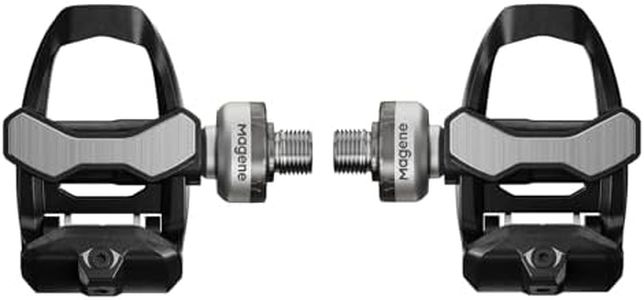
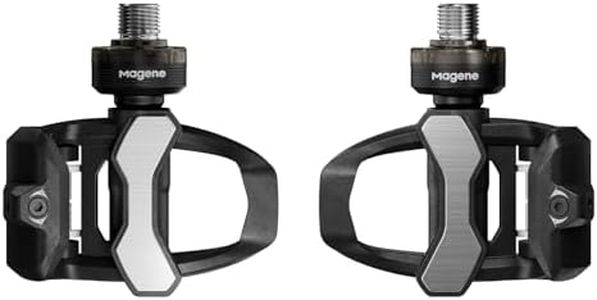
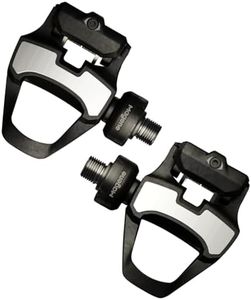
Magene P715 S Power Meter Pedals - ±1% Precision, 120h Battery Life, Seamless Bike Compatibility, ANT+ & Bluetooth for Cycling

Rating
10.0
Chosen by1,166
Accuracy
Compatibility
Data Metrics

Most important from
51 reviews

Accuracy
Accuracy is impressive, making it a solid choice for tracking leg strength, pedaling balance, and cadence with confidence.
Compatibility
Compatibility with Keo cleats is a notable advantage over some competitors, ensuring a hassle-free fit.
Data Metrics
Setup is straightforward and the power meter works flawlessly, delivering reliable dual-sided power data that enhances training insight.

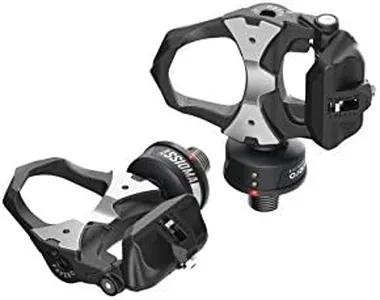
The Magene P715 S Power Meter Pedals are a solid option for cyclists looking to measure power output accurately and conveniently. They offer high precision with ±1% accuracy, which means they can reliably capture your cycling effort. The dual Bluetooth and ANT+ connectivity ensures easy pairing with most bike computers and apps, making them very versatile. With a long battery life of up to 120 hours, they support extended training sessions without frequent recharging.

Weighing about 157 grams per pedal, they are relatively light and made from durable aluminum, while the IPX7 waterproof rating gives confidence for riding in wet weather. Installation is quick and straightforward, and you can easily switch these pedals between different bikes, including road, time trial, or triathlon setups. The pedals also provide seven advanced training metrics for a detailed analysis of your cycling performance.

Some users might find the clipless style less comfortable if they are new to such pedals, and with a weight of 318 grams per pair, they aren’t the absolute lightest option on the market. These pedals suit cyclists seeking precise, long-lasting power measurement with easy bike compatibility and good weather resistance.

Rating
10.0
Chosen by1,166
Accuracy
Compatibility
Data Metrics

Most important from
51 reviews

Accuracy
Accuracy is impressive, making it a solid choice for tracking leg strength, pedaling balance, and cadence with confidence.
Compatibility
Compatibility with Keo cleats is a notable advantage over some competitors, ensuring a hassle-free fit.
Data Metrics
Setup is straightforward and the power meter works flawlessly, delivering reliable dual-sided power data that enhances training insight.
#2

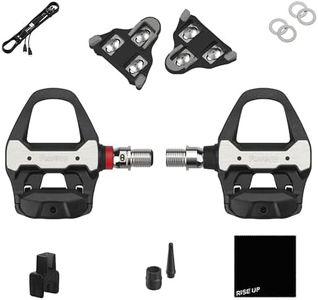
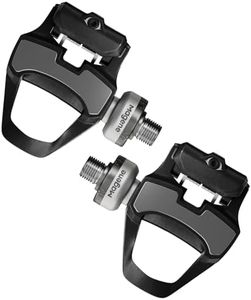
Magene P715 Dual-Sensing Side Power Meter Cycling Pedals, Silver, ±1% Accuracy Bike Power Meter, SPD-SL Compatible, 120h Battery Life, Bluetooth & ANT+, Easy 1min Install

Rating
10.0
Accuracy
Battery Life
Compatibility

Most important from
7 reviews

Accuracy
Delivers precise dual-sided power measurement with ±1% accuracy for reliable training data.
Battery Life
Offers exceptional battery life of up to 120 hours, perfect for long rides without frequent recharging.
Compatibility
Compatible with SPD-SL cleats, allowing an easy upgrade without changing existing cleats.
Durability and Weather Resistance
Features a sleek silver finish that combines professional aesthetics with good weather resistance.
Weight
Constructed from lightweight aluminum at 318 grams per pedal, balancing durability and minimal weight.

The Magene P715 Dual-Sensing Side Power Meter pedals are a solid choice for cyclists looking to accurately measure power from both legs with ±1% precision. These clipless pedals are designed to work seamlessly with SPD-SL cleats, making them an easy upgrade without needing to change your existing cleats. They come with Bluetooth and ANT+ connectivity, allowing you to pair them with most cycling computers, apps, and trainers for detailed power data.

One of the standout features is the impressive battery life of up to 120 hours, meaning you can rely on them for extended rides or training sessions without frequent recharging. The pedals are made from aluminum, offering a durable yet lightweight option at 318 grams per pedal, which won't feel heavy on your bike. The sleek silver finish adds a professional look while also promising good weather resistance. Installation is straightforward and quick, reportedly taking just about a minute, which is convenient for anyone wanting a hassle-free setup.

While the pedals have excellent accuracy and compatibility with SPD-SL systems, they may not suit riders using other cleat types. For those needing precise, dual-sided power measurement and a reliable, easy-to-install pedal setup with strong battery life, the Magene P715 is a compelling option.

Rating
10.0
Accuracy
Battery Life
Compatibility

Most important from
7 reviews

Accuracy
Delivers precise dual-sided power measurement with ±1% accuracy for reliable training data.
Battery Life
Offers exceptional battery life of up to 120 hours, perfect for long rides without frequent recharging.
Compatibility
Compatible with SPD-SL cleats, allowing an easy upgrade without changing existing cleats.
Durability and Weather Resistance
Features a sleek silver finish that combines professional aesthetics with good weather resistance.
Weight
Constructed from lightweight aluminum at 318 grams per pedal, balancing durability and minimal weight.
#3

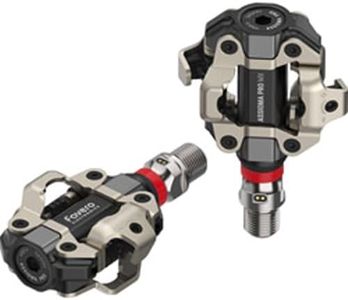
Favero Assioma PRO MX-2, Dual-Sensing Side Pedal Based Cycling MTB Power Meter, Bluetooth and ANT+ Connectivity for Bike Computers, Cycling GPS Units, & Smartphones

Rating
9.7
Accuracy
Weight
Battery Life

Most important from
6 reviews

Accuracy
The power meter pedals deliver fantastic, reliable data that helps identify subtle performance nuances.
Weight
Their lightweight and compact design makes them more comfortable and less cumbersome than competing models.
Battery Life
Rechargeable batteries with clear app-based charge monitoring add great convenience and reduce hassle.
Compatibility
Compatibility with both MTB and road cleats allows easy switching between bike types without buying new pedals.
Durability and Weather Resistance
The pedals feel robust and well-made, built to withstand tough terrain and frequent trail use.

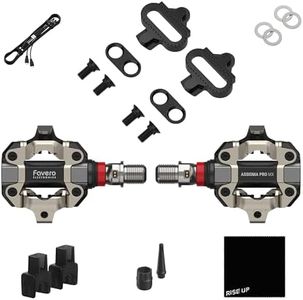
The Favero Assioma PRO MX-2 is a dual-sensing, pedal-based power meter designed especially for mountain biking and gravel cycling. It’s very versatile thanks to its universal SPD cleat compatibility, and the clever modular design lets you easily swap pedal bodies if you want to switch between MTB and road biking without buying a new power meter. Installation is straightforward—just like normal pedals—and it connects effortlessly to bike computers, GPS units, or smartphones via both Bluetooth and ANT+. Its power readings are highly accurate, benefiting from features like Automatic Temperature Compensation and a built-in gyroscope that tracks pedal stroke angle, keeping accuracy within ±1% in real riding conditions. This means you get reliable and consistent power data regardless of weather or temperature.

The pedals are made from robust aluminum and designed to handle tough terrain and shocks, with a clipless system built for durability. The rechargeable battery lasts about 60 hours per charge and uses a magnetic charging system, which is handy and reduces wear on connectors. Weighing just under 1 kilogram, it’s reasonably light for MTB pedals that include power meters. One minor downside is that it requires keeping track of charging, and the price might be on the higher side compared to simpler power meters. For those serious about precise power tracking on rough trails and wanting the flexibility to switch between bike types easily, the Favero Assioma PRO MX-2 offers strong durability, excellent accuracy, and good compatibility.

Rating
9.7
Accuracy
Weight
Battery Life

Most important from
6 reviews

Accuracy
The power meter pedals deliver fantastic, reliable data that helps identify subtle performance nuances.
Weight
Their lightweight and compact design makes them more comfortable and less cumbersome than competing models.
Battery Life
Rechargeable batteries with clear app-based charge monitoring add great convenience and reduce hassle.
Compatibility
Compatibility with both MTB and road cleats allows easy switching between bike types without buying new pedals.
Durability and Weather Resistance
The pedals feel robust and well-made, built to withstand tough terrain and frequent trail use.

Buying Guide for the Best Cycling Power Meters

Choosing the right cycling power meter can significantly enhance your training and performance by providing accurate data on your power output. Power meters measure the force you apply to the pedals, giving you insights into your cycling efficiency and helping you tailor your workouts. When selecting a power meter, consider the type of riding you do, your training goals, and the compatibility with your bike and other devices. Here are some key specifications to consider when choosing a cycling power meter.
AccuracyAccuracy refers to how close the power meter's readings are to the actual power output. This is important because precise data allows you to train more effectively and track your progress accurately. Accuracy is usually expressed as a percentage, with most power meters offering accuracy within +/- 1-2%. For most cyclists, a power meter with +/- 2% accuracy is sufficient, but competitive athletes may prefer a more precise device with +/- 1% accuracy.
Type of Power MeterPower meters come in various types, including crank-based, pedal-based, hub-based, and chainring-based. Each type has its own advantages and considerations. Crank-based power meters are known for their durability and accuracy, while pedal-based power meters are easy to install and can be swapped between bikes. Hub-based power meters are reliable but may limit wheel choices, and chainring-based power meters are integrated into the bike's drivetrain. Choose the type that best fits your bike setup and how you plan to use it.
CompatibilityCompatibility refers to how well the power meter integrates with your bike and other devices, such as cycling computers and smartphones. It's important to ensure that the power meter is compatible with your bike's components, such as the crankset, bottom bracket, and pedals. Additionally, check if the power meter supports the communication protocols (ANT+ or Bluetooth) used by your cycling computer or training apps. This ensures seamless data transfer and analysis.
Battery LifeBattery life indicates how long the power meter can operate before needing a recharge or battery replacement. This is crucial for uninterrupted training sessions and long rides. Battery life can vary significantly between models, ranging from 20 hours to over 100 hours. Consider your riding habits and choose a power meter with a battery life that suits your needs. For frequent long-distance riders, a longer battery life is preferable to avoid frequent recharges.
Data MetricsData metrics refer to the types of data the power meter can provide, such as total power, left/right balance, cadence, and torque efficiency. These metrics help you understand different aspects of your performance and identify areas for improvement. Basic power meters provide total power and cadence, which are sufficient for most cyclists. Advanced models offer additional metrics like left/right balance and torque efficiency, which can be beneficial for serious athletes looking to fine-tune their training.
Durability and Weather ResistanceDurability and weather resistance are important factors, especially if you ride in various weather conditions or on rough terrain. A durable power meter can withstand the rigors of cycling and last longer. Look for power meters with robust construction and weatherproof ratings, such as water resistance. This ensures that the device can handle rain, mud, and other environmental factors without compromising performance.
WeightWeight is a consideration for cyclists who are conscious about the overall weight of their bike. Power meters add some weight, but the amount can vary. Lighter power meters are preferable for competitive cyclists who want to minimize additional weight. However, for most recreational cyclists, the weight difference is negligible and should not be a primary concern. Focus on other specifications first, and consider weight if it aligns with your performance goals.

FAQ