We Use CookiesWe use cookies to enhance the security, performance, functionality and for analytical and promotional activities. By continuing to browse this site you are agreeing to our privacy policy

10 Best Binocular Tripods 2026 in the United States

How do we rank products for you?

Our technology thoroughly searches through the online shopping world, reviewing hundreds of sites. We then process and analyze this information, updating in real-time to bring you the latest top-rated products. This way, you always get the best and most current options available.

headphones-stars

Our Top Picks

#1

Winner

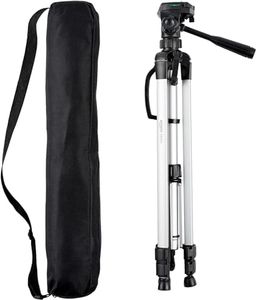
Amazon Basics 60-inch Lightweight DSLR Tripod with Bag, Black

Rating
10.0
Chosen by1,118
Height
Portability

Most important from
190878 reviews

Height
Once set up and properly locked, it stands pretty well and offers good height flexibility, perfect for projectors.
Portability
Lightweight and easy to carry, it’s like a gentle yoga instructor for your camera, offering stable support for casual use.

The Amazon Basics 60 inch Lightweight Tripod is a versatile and budget-friendly option for those seeking an entry-level tripod. With a maximum height of 60 inches and a minimum height of approximately 23.2 inches, it provides decent flexibility for various viewing angles. Its weight capacity of 6.6 pounds should be sufficient for most binoculars, cameras, and other compatible devices, making it a practical choice for casual users.

The tripod is made of aluminum, contributing to its lightweight design at just 2.93 pounds, and comes with a carrying case for added portability, which is great for on-the-go use. The adjustable-height legs with rubber feet ensure stability on different surfaces, although they may not be as robust as those found on higher-end models. The tripod features quick-release leg locks, which are convenient for making swift adjustments, and two built-in bubble levels to help achieve balanced shots.

Additionally, the 3-way adjustable head offers tilt and swivel motion, enabling both portrait and landscape orientations. For those needing a more professional setup or higher weight capacity, this tripod may fall short. Its lightweight design means it may not be as stable in windy conditions or with heavier equipment. Furthermore, the tripod is primarily intended for cameras, so binocular users may find certain aspects less tailored to their needs. The Amazon Basics 60 inch Lightweight Tripod is an excellent option for beginners or casual users looking for an affordable and portable tripod, but it may not meet the demands of more specialized or professional use cases.

Rating
10.0
Chosen by1,118
Height
Portability

Most important from
190878 reviews

Height
Once set up and properly locked, it stands pretty well and offers good height flexibility, perfect for projectors.
Portability
Lightweight and easy to carry, it’s like a gentle yoga instructor for your camera, offering stable support for casual use.
#2

Vanguard BA-185 Binocular Tripod Adaptor , Black

Rating
9.4
Portability

Most important from
123 reviews

Portability
The lightweight nature of the adapter makes it convenient to leave attached for quick mounting.

The Vanguard BA-185 Binocular Tripod Adaptor is designed to provide stability for roof prism binoculars, particularly useful for activities such as hiking, hunting, and sports. It is lightweight at only 2 ounces, making it easy to carry around. This adaptor allows you to mount your binoculars onto any standard tripod, monopod, or chest support with a 1/4-20 threaded screw, enhancing your viewing experience by reducing hand shake and fatigue during prolonged use.

One of the strengths of this adaptor is its simplicity and ease of use; it screws on to the binocular between the objective lenses and can be attached to various support mechanisms. It's black in color and comes with a 1-year warranty, reflecting its reliable build quality. However, it is specifically designed for roof prism binoculars and may not be suitable for all binocular types, particularly those with an increased minimum interpupillary distance.

While it excels in portability and ease of use, its compatibility limitations might be a drawback for some users. If you frequently use binoculars with different types of prisms or need an adaptor for larger binoculars, you might need to look for a more versatile option.

Rating
9.4
Portability

Most important from
123 reviews

Portability
The lightweight nature of the adapter makes it convenient to leave attached for quick mounting.
#3

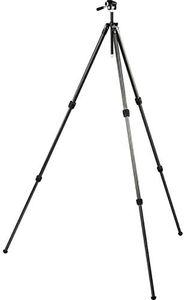
Vortex Optics Ridgeview Carbon Tripod Kit Black

Rating
8.2
Weight Capacity
Portability

Most important from
24 reviews

Weight Capacity
While lightweight, it may not be suitable for long, heavy scopes.
Portability
Quick adjust legs and lightweight design make it highly functional.

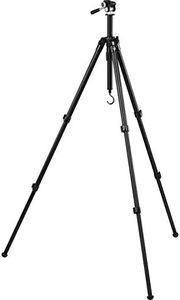
The Vortex Optics Ridgeview Carbon Tripod Kit stands out for its impressive height and strong build. At a maximum height of 73.8 inches, it provides excellent support for stand-up glassing, making it suitable for users who need to observe from an elevated position. The carbon fiber material ensures a good balance between strength and portability, with the tripod weighing only 3 pounds while supporting up to 22 pounds of equipment. This makes it ideal for heavy-duty use in the field without being cumbersome to carry around.

The 2-way Pan Head offers smooth and precise adjustments, and the Arca-Swiss compatible quick-release system allows for easy switching of tools, adding to its convenience. The rubber feet and three-angle pivot locks contribute to its stability, particularly in uneven terrains. Additionally, the detachable counterweight hook adds extra stability when needed. A notable advantage is the Vortex VIP Warranty, which promises unlimited, unconditional, lifetime service for any damage or defects (excluding loss, theft, or cosmetic damage that doesn't affect performance).

The tripod might be less appealing to those looking for an extremely compact option, as the package dimensions are 30 x 5 x 5 inches. Some users may find the price higher compared to other tripods. This tripod is best suited for serious field users needing a tall, durable, and stable tripod for their binoculars or other long-range tools.

Rating
8.2
Weight Capacity
Portability

Most important from
24 reviews

Weight Capacity
While lightweight, it may not be suitable for long, heavy scopes.
Portability
Quick adjust legs and lightweight design make it highly functional.

Buying Guide for the Best Binocular Tripods

Choosing the right binocular tripod can significantly enhance your viewing experience, whether you're bird watching, stargazing, or attending a sports event. A good tripod provides stability, reduces hand fatigue, and allows for prolonged observation without the shakes. To find the best fit for you, it's important to understand the key specifications and how they align with your needs.
HeightThe height of a tripod determines how high you can position your binoculars. This is important because it affects your comfort and viewing angle. Tripods generally come in three height ranges: compact (up to 50 inches), medium (50-70 inches), and tall (over 70 inches). Compact tripods are great for portability and are suitable for seated use or for children. Medium tripods are versatile and work well for most adults when standing. Tall tripods are ideal for taller individuals or for situations where you need to look upwards, such as stargazing. Choose a height that matches your typical viewing posture and ensures you don't have to hunch over.
Weight CapacityWeight capacity refers to the maximum weight the tripod can support. This is crucial because it ensures your binoculars are securely held without risk of tipping over. Tripods are usually categorized into light-duty (up to 5 pounds), medium-duty (5-15 pounds), and heavy-duty (over 15 pounds). Light-duty tripods are suitable for small, compact binoculars. Medium-duty tripods can handle most standard binoculars, while heavy-duty tripods are necessary for large, heavy binoculars or additional equipment like cameras. Match the tripod's weight capacity to the weight of your binoculars to ensure stability and safety.
MaterialThe material of the tripod affects its durability, weight, and stability. Common materials include aluminum, carbon fiber, and plastic. Aluminum tripods are sturdy and affordable but can be heavier. Carbon fiber tripods are lightweight and strong, making them ideal for travel and extended use, but they are usually more expensive. Plastic tripods are lightweight and inexpensive but may not be as durable or stable. Consider where and how often you'll use the tripod. For frequent outdoor use, a lightweight and durable material like carbon fiber might be best. For occasional use or indoor settings, aluminum or plastic could suffice.
Leg LocksLeg locks secure the tripod legs at the desired height and angle. There are two main types: flip locks and twist locks. Flip locks are quick and easy to use, making them convenient for fast setup and adjustments. Twist locks are more compact and can provide a sleeker look, but they may take a bit longer to adjust. If you need to frequently adjust the height or set up quickly, flip locks might be more suitable. If you prefer a more streamlined design and don't mind taking a bit more time to set up, twist locks could be a better choice.
Head TypeThe head type of a tripod determines how you can move and position your binoculars. Common types include pan-tilt heads and ball heads. Pan-tilt heads allow for precise control over horizontal and vertical movements, making them ideal for tracking moving subjects like birds. Ball heads offer more flexibility and quicker adjustments, which can be useful for general observation and stargazing. Choose a head type based on your primary use. If you need precise control and smooth tracking, a pan-tilt head is preferable. For more flexibility and ease of use, a ball head might be the better option.
PortabilityPortability refers to how easy it is to carry and transport the tripod. This is influenced by the tripod's weight, folded length, and whether it comes with a carrying case. Lightweight and compact tripods are easier to carry, making them ideal for travel and outdoor activities. However, they may sacrifice some stability. Heavier tripods offer more stability but can be cumbersome to transport. Consider how often you'll need to move the tripod and the typical conditions you'll be using it in. If you plan to hike or travel frequently with your tripod, prioritize portability. If you mostly use it in one location, stability might be more important.

FAQ